
SINENDET SAFARI · TANZANIA
Marangu Route
Discover Kilimanjaro’s classic hut-based route with Sinendet Safari. Marangu is one of the best-known ways to climb Africa’s highest mountain, combining changing landscapes, overnight mountain huts and the unforgettable goal of standing on Uhuru Peak.
If you prefer sleeping in huts rather than camping, Marangu offers a distinctive and structured trekking experience.
ROUTE OVERVIEW
Marangu Route
The Marangu Route approaches Mount Kilimanjaro from the southeastern side and is known for its designated huts. Trekkers ascend through montane forest, moorland, alpine desert and the summit zone before descending along the same route.
Marangu is commonly climbed over 5 or 6 days, with the longer option often preferred for better acclimatization.
What to Expect
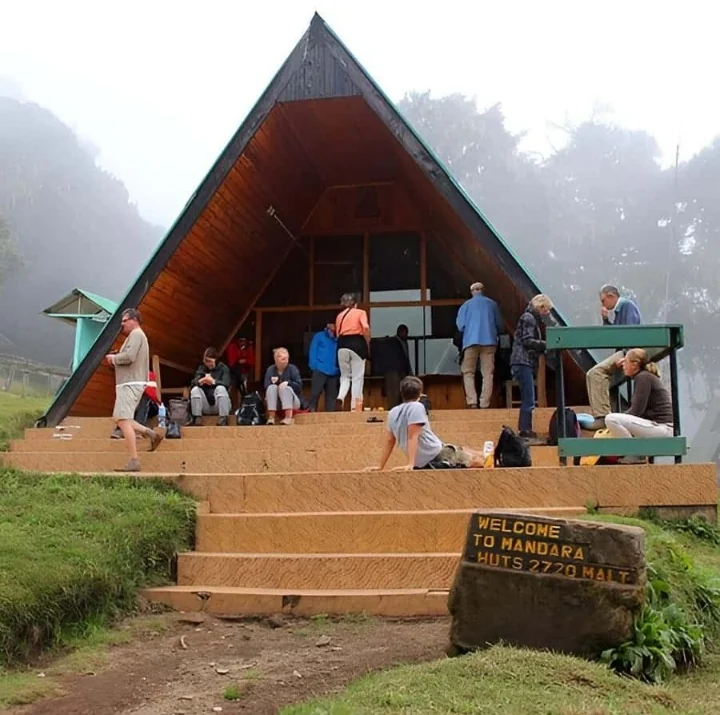
Expect a hut-based climb with changing weather, high-altitude trekking and a demanding summit night. Common overnight stops include Mandara Hut, Horombo Hut and Kibo Hut.
MARANGU PHOTO JOURNAL
Hut Accommodation and Mountain Stops
Marangu is the only major Kilimanjaro route that uses mountain huts rather than tents. This makes it especially appealing to travelers who want a more sheltered overnight experience while still taking on the full challenge of the mountain.
KIBO HUT · HIGH ALTITUDE
Preparing for the Summit
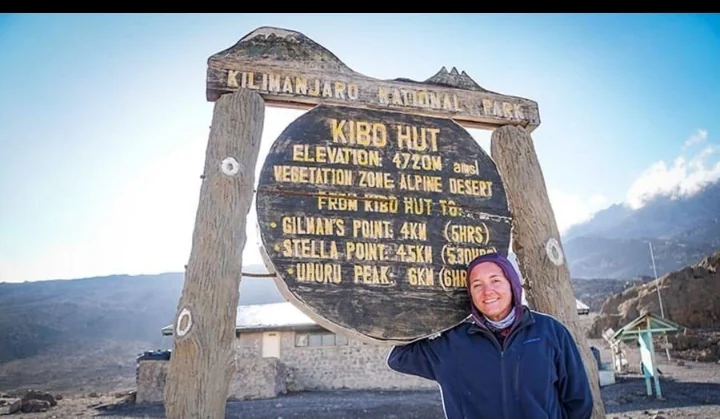
Kibo Hut is a key staging point for summit night. Trekkers usually begin the final ascent around midnight, aiming for Gilman’s Point, Stella Point and finally Uhuru Peak.
MOUNTAIN LANDSCAPES
Above the Clouds
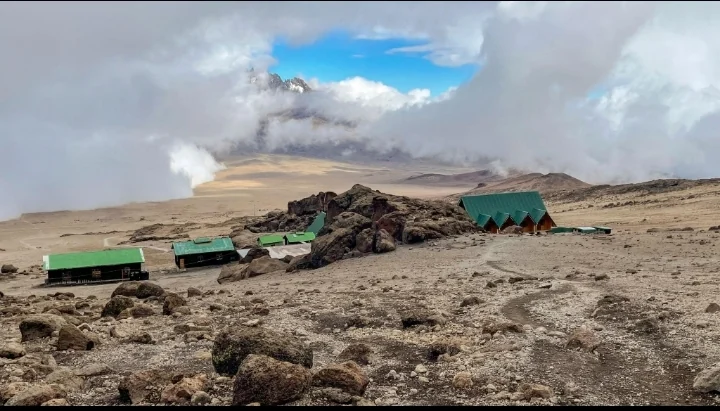
Marangu reveals Kilimanjaro’s environments in sequence: rainforest, moorland, alpine desert and the snowy summit zone. The high camps and open slopes provide memorable panoramic views.
BEFORE DEPARTURE
Important Mountain Preparation
Prepare for altitude, cold temperatures, long walking days and changing weather. Good fitness, a steady pace, hydration and suitable mountain clothing are essential for a safe and enjoyable trek.
Marangu Route Trekking Guide
Hut Accommodation
Unlike camping routes, Marangu provides hut-based accommodation throughout the ascent. This makes it an excellent option for trekkers who prefer huts while still understanding that reaching nearly 6,000 metres is a serious high-altitude challenge.
Altitude Considerations
Even though the trail is well known, Marangu still climbs to extreme altitude. Choosing an itinerary with adequate acclimatization time and following your guide’s instructions remain very important.
What to Pack
Bring warm layers, a waterproof shell, gloves, a warm hat, broken-in hiking boots, headlamp, sun protection and daypack essentials. Conditions become colder and more exposed with altitude.
MARANGU ROUTE GUIDE
Marangu trekking guide: the classic Kilimanjaro hut route
Marangu is well known as a Kilimanjaro route with designated mountain huts. Common stops include Mandara, Horombo and Kibo Hut. For trekkers who prefer sleeping in simple huts rather than tents, this accommodation style makes the route stand apart.
More than a comfortable night
Huts do not remove the difficulty of the climb. The route reaches extreme altitude, and summit night remains cold and physically demanding. A five-day itinerary may be possible, but an additional day can offer more time for acclimatization. The final choice should always consider the trekker’s health and available time.
What to expect on the mountain
Vegetation changes as the route climbs from rainforest to moorland and the alpine-desert zone. The area around Kibo Hut forms an important staging point for summit attempts. Warm layers, a headlamp, reliable boots, hydration and steady pacing remain essential.
- Ask about actual hut arrangements and availability.
- Compare five- and six-day plans carefully.
- Discuss acclimatization and altitude sickness.
- Confirm whether equipment, guiding, meals and park fees are included.
Marangu questions
Do trekkers sleep in tents?
Marangu typically uses huts rather than tents.
Is Marangu an easy climb?
No. The summit altitude remains challenging regardless of accommodation.
How many days should we allow?
Discuss five- and six-day options, prioritizing adequate acclimatization.