
SINENDET SAFARI · NORTHERN KILIMANJARO
Rongai Route
Discover the wild side of Kilimanjaro. Remote northern trails, dramatic views of Kibo and Mawenzi, and a meaningful journey towards Uhuru Peak.
THE ROUTE
Explore Kilimanjaro’s northern wilderness
Rongai approaches Kilimanjaro from the northern side near the Kenya–Tanzania border. It has relatively quiet early sections and passes through forest, moorland and high-altitude desert on the way to the summit.
Unlike southern or western approaches, Rongai leads trekkers toward the dramatic terrain beneath Kibo and Mawenzi, before descending from the summit on the Marangu side of the mountain.
ROUTE HIGHLIGHTS
The special places along Rongai
Rongai Gate
Enter Kilimanjaro National Park through the relatively secluded northern approach.
Simba Camp
A first mountain camp surrounded by quiet northern landscapes.
Second Cave & Kikelewa
Successive stages reveal increasingly open terrain and panoramic views.
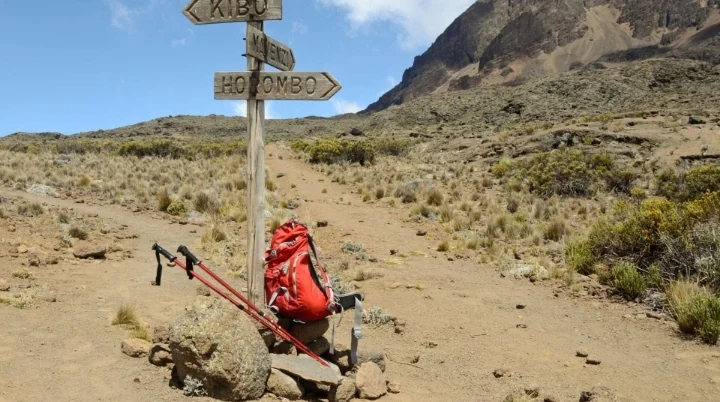
Mawenzi Tarn
A striking high-altitude setting beneath the jagged Mawenzi massif.
Kibo–Mawenzi Saddle
A wide alpine-desert landscape between the two volcanic peaks.
Uhuru Peak
The final summit goal at 5,895 metres, reached only if conditions and health allow.
CAMPING
Experience the changing mountain landscapes
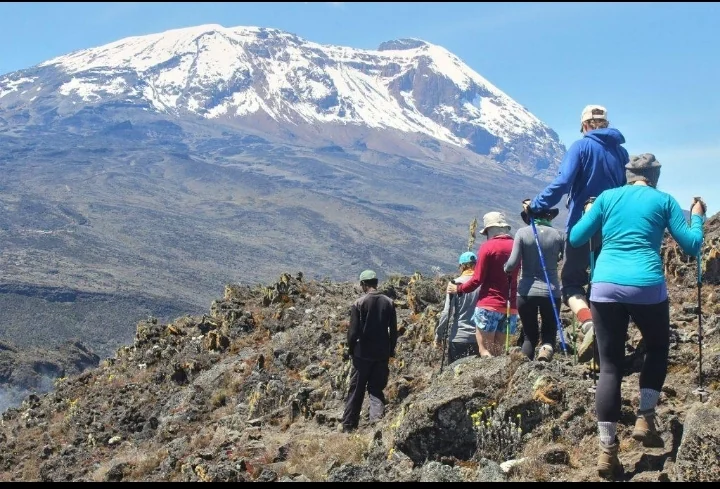
The Rongai Route is camping-based. As you climb, designated camps provide overnight stopping points while scenery shifts from forest to open moorland and eventually exposed alpine desert.
Warm layers, suitable sleeping equipment, a reliable daypack and a thoughtful plan for summit night are essential. The high-altitude environment requires respect, regardless of how quiet the trail feels.
DURATION & ACCLIMATIZATION
Choosing six or seven days
Rongai is commonly offered over six or seven trekking days. The longer schedule can allow additional time to adjust to altitude, an important consideration before the demanding summit attempt.
Rongai is not an easy climb. Uneven terrain, cold conditions, long days and less oxygen at elevation affect even strong hikers. Maintain a steady pace, stay hydrated and report symptoms of altitude illness promptly.
WHO SHOULD CONSIDER RONGAI
Is Rongai a good fit for your trip?
Rongai may be right for you if you prefer relatively quiet trail sections, enjoy wilderness landscapes, want a northern perspective on the mountain and are comfortable sleeping at camps for several days.
If camping is not your preference, compare Marangu. If you have extra time for acclimatization and varied scenery, consider Lemosho or Northern Circuit. Ask for a written route comparison tailored to your travel plans.
GOOD TO KNOW
Frequently asked questions
Where does Rongai start?+
At Rongai Gate on Kilimanjaro’s northern side, near the Kenya–Tanzania border.
Where does the route descend?+
Many itineraries descend using the Marangu route on the southern/eastern side after the summit.
Is Rongai a technical climb?+
Technical mountaineering skills are not usually required, but high-altitude trekking is challenging and requires good preparation.
Do we stay in huts?+
Rongai typically uses mountain camps and tents rather than Marangu’s hut-based sleeping arrangements.
Can summit success be guaranteed?+
No. Altitude, health and weather determine whether it is safe to continue.
EXPLORE MORE
Compare other trekking routes
YOUR NEXT ADVENTURE STARTS HERE
Let’s plan your Rongai experience.
Share your preferred dates, group size, trekking experience and any questions. Sinendet Safari will discuss the itinerary, logistics and a personalized quotation with you.