
SINENDET SAFARI · KILIMANJARO ESSENTIALS
The Complete Kilimanjaro Packing Guide
Pack with confidence for every stage of your Tanzania mountain adventure. From humid rainforest trails to freezing summit winds, choosing the right layers, boots, sleeping equipment and everyday essentials makes a real difference to your comfort.
This original Sinendet Safari guide includes a printable gear list, an interactive 62-item checklist, and preparation advice for Machame, Lemosho, Marangu, Rongai, Northern Circuit and Umbwe.
PACK SMARTER, CLIMB MORE COMFORTABLY
Dress in layers for every elevation
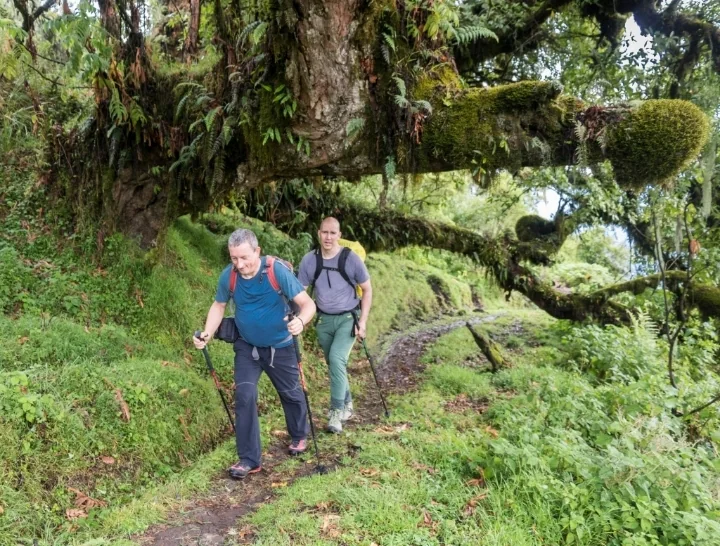
Kilimanjaro travels through rapidly changing environments. Lower forest sections can be warm and wet, mid-elevations can become windy, and the summit zone can be bitterly cold. Instead of one heavy outfit, build a flexible three-layer system.
01 — Base layers
Wear synthetic or merino fabrics that move moisture away from skin. Avoid heavy cotton clothing for active trekking because wet cotton loses warmth.
02 — Insulating layers
Carry a warm fleece plus a properly insulated jacket. Keep a dry thermal layer reserved for cold nights and the summit attempt.
03 — Weather protection
A waterproof, windproof outer jacket and overtrousers protect against rain, wind and mountain weather that can change quickly. Test that the shell fits comfortably over insulating layers.
Not sure which route to climb? Read about Machame, Marangu, Rongai or the longer Northern Circuit before comparing what accommodation and supplies may be needed.
WHAT SHOULD YOU PACK IN YOUR DAYPACK?
Your daypack stays with you while walking, so include items you may need before arriving at camp:
- Water, sun protection and personal snacks
- Waterproof jacket and trousers
- Warm layer, gloves, hat and sunglasses
- Personal medication and a compact blister kit
- Headlamp, tissues and phone/camera as needed
Your main duffel usually travels separately with the portering team. Keep valuables, critical medication and rain gear in your own daypack. Confirm the porter luggage limit and what your operator supplies before departure.
PACKING CHECKLIST
An interactive list for your climb
Start with the essentials, mark items as packed, and track your progress. Print the page or download the PDF before you leave home.
Get your gear ready, one item at a time.
Use the boxes to track your packing. Your progress is saved on this device. Print the list or save the printable PDF to use offline.
Documents & travel essentials⌄
Keep these items with you during the journey, not in checked luggage.
Bags & waterproof organization⌄
Separate your personal daypack from your main luggage.
Base layers & daytime clothing⌄
Pack breathable quick-drying layers rather than heavy cotton.
Insulation & weather protection⌄
Cold, wind and rain can occur even in a generally dry season.
Footwear, head & hands⌄
Test boots and layers before traveling.
Sleep, mountain & navigation gear⌄
Confirm exactly what the trekking package supplies before buying or renting.
Hydration & trail food⌄
Plan your daily water capacity with the guide and camp team.
Personal health & hygiene⌄
Ask your medical professional about altitude, vaccines and prescription medication.
Electronics & useful extras⌄
Keep devices protected from moisture and cold.
ACCOMMODATION & GEAR
Check what your confirmed package includes
Not every Kilimanjaro route or operator provides the same camping and personal equipment. Before you buy or rent gear, ask Sinendet Safari for your confirmed inclusion list.
- Camping routes such as Machame, Lemosho, Rongai, Umbwe and Northern Circuit use designated mountain camps. Confirm tents, sleeping mats and sleeping bags.
- Marangu Route uses mountain huts, but you will still need appropriate personal bedding and summit clothing. Confirm requirements for your trek.
- Porter luggage limits apply. Confirm the permitted weight, duffel size and what should stay in your daypack.
- Guides, meals and water: verify what is provided so you know which personal supplies to bring.
SUMMIT NIGHT PREPARATION
Summit attempts frequently begin late at night. Put your cold-weather gear together before resting at the final camp or hut. A practical summit-night set includes:
- Warm base layers, fleece and insulated jacket
- Weatherproof shell, warm trousers and dry socks
- Warm hat, neck covering and insulated gloves
- Well-tested boots, headlamp and spare batteries
- Water capacity arranged with your guide and accessible snacks
Never ignore headache, nausea, confusion or unusual exhaustion. Tell your guide immediately about possible altitude symptoms. Medical fitness, acclimatization and safe descent decisions matter more than any equipment list.
YOUR QUESTIONS, ANSWERED
Kilimanjaro gear FAQs
What size daypack should I take to Kilimanjaro?
For many climbers a comfortable 25–40 litre daypack is suitable, but exact needs depend on your equipment and guide’s advice. Try the loaded pack on training hikes.
Do I need to bring my own sleeping bag?
Ask what your particular route package includes and whether suitable sleeping bags are available to rent. A camping route requires an appropriately warm sleeping system; sleeping arrangements are different on hut-based Marangu.
Can I climb with brand-new hiking boots?
We strongly recommend wearing your boots on practice walks first. Fit, weather protection and comfortable socks matter more than the label on the boot.
Why do I need gloves and a down jacket?
Summit and high-camp conditions may be extremely cold even when lower slopes are warm. Layered insulation, warm hands and wind protection are important.
What equipment should I carry personally every day?
Keep water, rain gear, sun protection, snacks, essential medication, and any frequently needed items in your own daypack. Your main bag may not be accessible until camp.
Can I buy or rent trekking equipment in Tanzania?
Some equipment can be rented or purchased locally, but availability and condition vary. Confirm specific items with Sinendet Safari in advance rather than relying on an unverified rental promise.
Is this checklist enough to prevent altitude sickness?
No. Appropriate acclimatization and monitoring of symptoms are vital. If you have health concerns or need medication advice, consult a qualified clinician before travel and follow your guide’s safety instructions.
READY FOR THE ROOF OF AFRICA?
Prepare with Sinendet Safari
Every trek is different. Tell our Arusha team your preferred route, dates and number of travelers, and we will help you confirm your itinerary and equipment needs before departure.